Redefining regenerative beauty through the intersection of Earth-friendly sustainability and cutting-edge biotech.
The landscape of regenerative aesthetics is undergoing a seismic shift. For years, the gold standard for bio-regenerative skincare was locked behind animal-derived ingredients, most notably the salmon-derived DNA used in clinical Rejuran Healer treatments. But as we move through 2026, a new era of Clean Biotech has arrived.
For the eco-conscious consumer seeking medical-grade vegan beauty, the breakthrough isn’t just about being “animal-free.” It’s about plant-derived exosome therapy and Phyto-PDRN serums that offer superior transdermal bioavailability and targeted messenger RNA (mRNA) signaling without the ethical baggage.
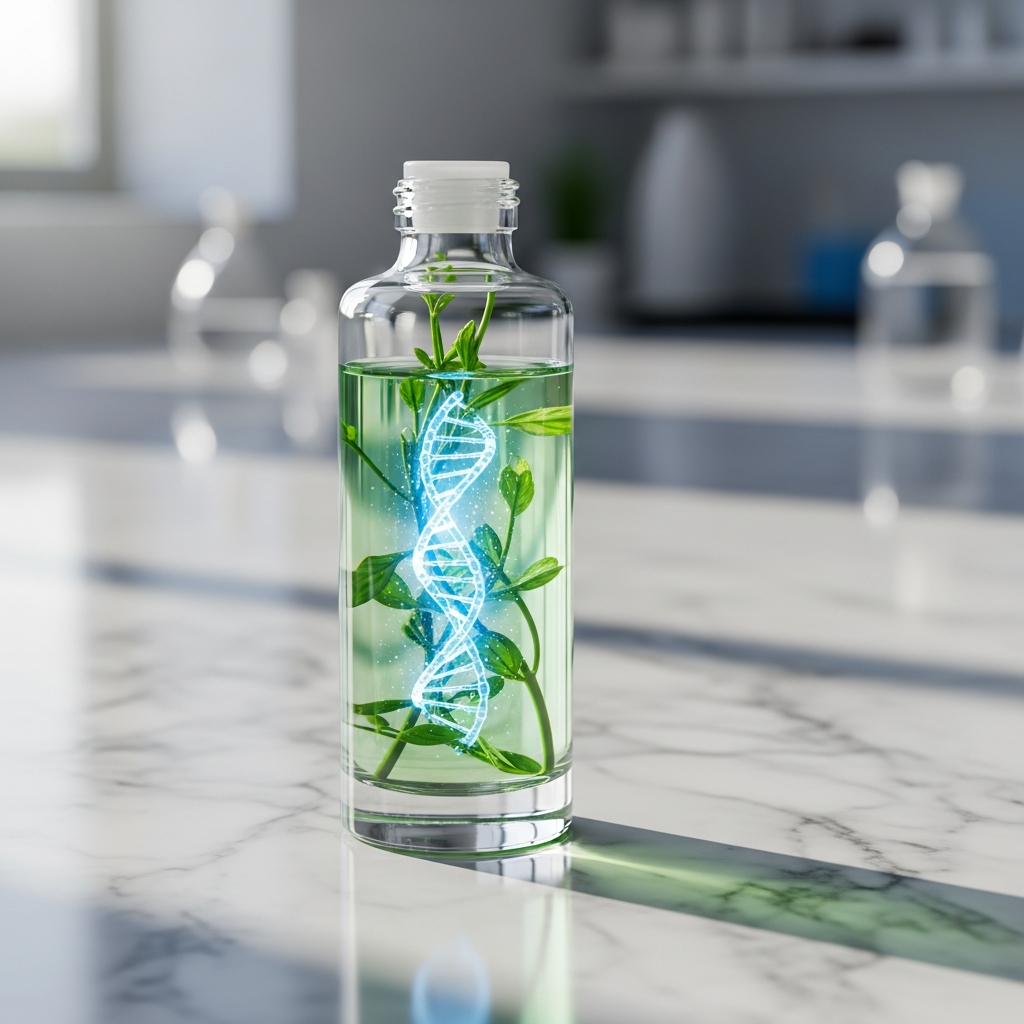
The Science of Cellular Skin Longevity: Understanding the A2A Pathway
To understand why Vegan PDRN skincare 2026 is outperforming traditional formulas, we must look at the molecular skin architecture. The “magic bridge” that connects these topicals to human biology is the Adenosine A2A receptor.
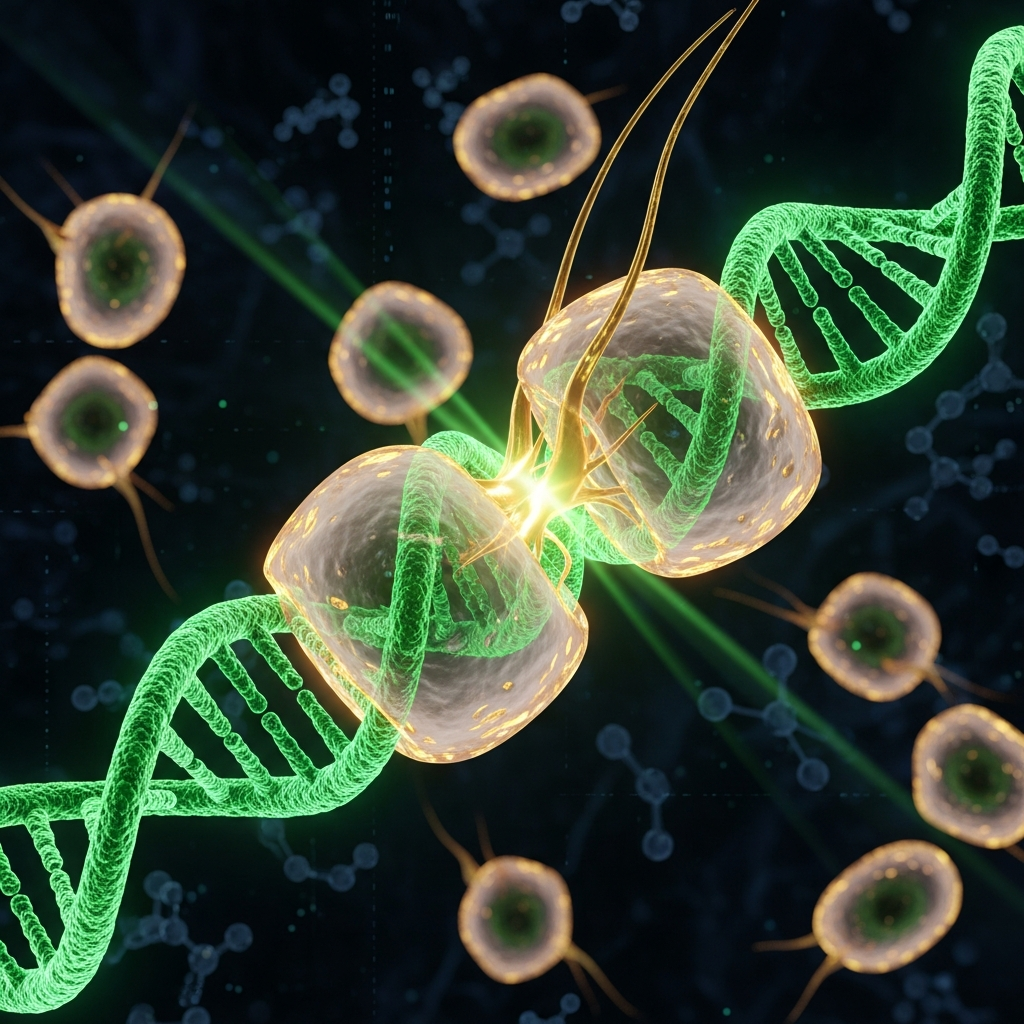
When you apply bio-fermented PDRN (Polydeoxyribonucleotide), it binds to these receptors, triggering a salvage pathway for DNA synthesis. This doesn’t just “moisturize”; it sparks fibroblast growth factors (FGF) and cytokine regulation. The result is a dramatic dermal thickness increase and extracellular matrix (ECM) restoration.
Why Plant DNA?
Unlike animal DNA, which can occasionally trigger inflammatory responses, low molecular weight DNA fragments derived from Panax Ginseng PDRN or Ustilago cynodontis fermentation are highly biocompatible. They act as non-animal collagen activators, promoting rapid tissue regeneration with zero risk of cross-species immunogenicity.
The Rise of Plant-Derived Exosome Therapy
If PDRN is the “fuel” for repair, Exosome-like extracellular vesicles (EVs) are the “messengers.” In 2026, plant-derived exosome therapy has moved from the clinic to the vanity. These nano-encapsulated exosomes, specifically those sourced from Phalaenopsis aphrodite (Orchid) and Centella asiatica extracellular vesicles, are composed of a complex proteins and lipids bilayer. This structure allows them to penetrate the skin barrier and deliver a cargo of secondary metabolites and bio-identical DNA fragments directly to struggling cells.
| Metric | Legacy Salmon PDRN | 2026 Vegan Biotech |
|---|---|---|
| Primary Source | Fish sperm (Salmon) | Bio-fermented plants / Ginseng |
| Ethical Score | Low (Animal Bypass) | High (Circular Sourcing) |
| Skin Pathway | A2A Receptor binding | A2A + mRNA Signaling |
| At-Home Ease | Clinical Injections | Nano-tech Topicals |
Solving the 2026 Beauty Crisis: From “Ozempic Face” to Inflammaging
The modern beauty consumer faces unique challenges. One of the highest-trending search intents today is how to reverse Ozempic face skin laxity. Rapid metabolic weight loss often leads to skin volume depletion and a “hollow” appearance.
Vegan PDRN and exosome hybrids are the primary needle-free skin boosters for this concern. By stimulating adipocyte support and GHK-Cu copper peptide synergy, these formulas help “re-stuff” the skin from the inside out, providing fine line erasure without fillers.
Targeted Solutions
The 2026 Trend Forecast: Glass Glow 2.0 and Biohacking
We have moved past the era of “slugging.” Glass Glow 2.0 is achieved through biostimulatory skincare that improves aquaporin-3 stimulation, ensuring deep-cell hydration. As part of a biohacking beauty routine, users are now integrating AI-personalized bio-serums that adjust the ratio of peptide-exosome hybrids based on real-time skin-brain axis data.
Look for spicule microneedling delivery systems in your PDRN serums. These microscopic, needle-like structures (often derived from sea sponges) create temporary micro-channels, ensuring the transdermal bioavailability of large molecules like vegan polynucleotides.
Earth-Friendly Impact: The BeautyandEarth Score
2026 Sustainability Rating
The 2026 Strategy: How to Use Vegan PDRN & Exosomes
For next-gen skin repair, your routine should follow the “Signal, Fuel, Protect” framework:
FAQ: Navigating the Regenerative Revolution
Absolutely. Recent 2026 clinical trials show that bio-identical DNA fragments from plant fermentation trigger the A2A receptor with the same affinity as salmon DNA, with a lower risk of inflammaging responses.
While hydration is instant, dermal density improvement and acne scar cellular remodeling typically take 4–6 weeks, aligning with your skin’s natural 28-day turnover cycle.
Yes. In fact, Exosomes help stabilize volatile actives. However, for sensitive skin DNA repair, we recommend using your Vitamin C in the AM and your exosome-like vesicles in the PM.
Plant DNA doesn’t “merge” with yours. Instead, it provides the polydeoxyribonucleotide synthesis building blocks that your skin uses to repair its own DNA damage, a process known as the salvage pathway.